
One of the most common questions pediatric dentists hear from parents is, “If baby teeth eventually fall out, do they really matter?”
It’s an understandable question. After all, primary teeth are temporary. However, baby teeth play a much bigger role in your child’s health and development than many parents realize.
From helping children eat and speak clearly to creating space for permanent teeth, baby teeth serve important functions throughout childhood. Taking care of them can help support healthy development and reduce the risk of future dental problems.
Understanding why baby teeth are important can help parents make informed decisions about their child’s oral health and establish healthy habits that last for years.
What Are Baby Teeth?
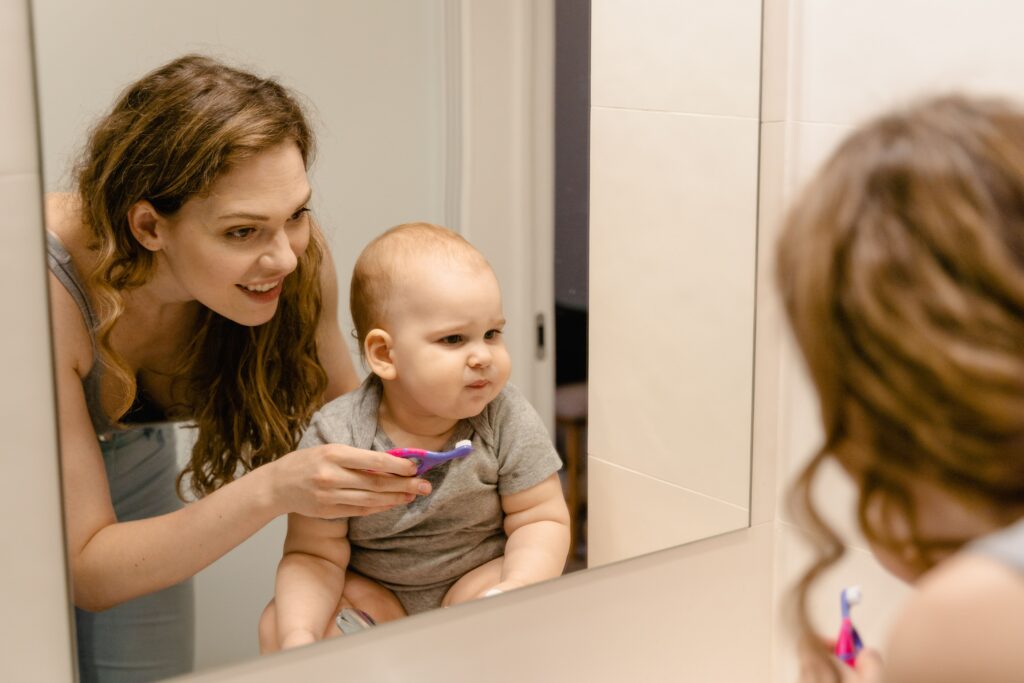
Baby teeth, also called primary teeth, are the first set of teeth children develop.
Most babies begin getting teeth around six months of age, although timing can vary. By age three, many children have a full set of 20 primary teeth.
These teeth remain in place for several years before gradually falling out and making room for permanent teeth.
Although they are temporary, baby teeth are designed to serve several important purposes during a child’s development.
Baby Teeth Help Children Eat and Chew Properly
One of the most obvious jobs of baby teeth is helping children chew food comfortably and effectively.
Healthy teeth allow children to bite, chew, and enjoy a variety of nutritious foods. When a tooth is damaged, painful, or lost too early, eating can become more difficult.
Children who experience discomfort while eating may avoid certain foods, which can make it harder to maintain a balanced diet.
Protecting baby teeth helps support both oral health and everyday function.
Baby Teeth Play an Important Role in Speech Development
Teeth help children form sounds and pronounce words correctly as they learn to speak.
During early childhood, the tongue, lips, and teeth work together to create many speech sounds. Missing or damaged teeth can sometimes make it more difficult for children to pronounce certain words clearly.
While every child develops differently, maintaining healthy baby teeth can help support normal speech development during these important years.
Baby Teeth Hold Space for Permanent Teeth
One of the most important roles of baby teeth is serving as placeholders for adult teeth.
Each baby tooth helps guide the permanent tooth developing beneath it. When the time comes, the baby tooth falls out and the adult tooth moves into its proper position.
If a baby tooth is lost too early because of decay, injury, or another dental concern, nearby teeth may begin shifting into the empty space.
This movement can reduce the space available for permanent teeth and may contribute to alignment concerns later in childhood.
Early Tooth Loss Can Affect Dental Development
Many parents are surprised to learn that losing a baby tooth too early can sometimes create challenges for developing smiles.
When teeth shift into open spaces, permanent teeth may have a more difficult path when they begin to erupt.
This does not mean every child who loses a baby tooth early will experience orthodontic concerns. However, preserving healthy baby teeth whenever possible helps support natural dental development.
Regular exams and cleanings allow pediatric dentists to monitor growth and identify potential concerns early.
Cavities in Baby Teeth Still Matter
Another common misconception is that cavities in baby teeth are not a major concern because the teeth will eventually fall out.
In reality, untreated decay can affect a child’s comfort, ability to eat, and overall oral health.
Small cavities may become larger over time if they are not addressed. In some situations, untreated decay may eventually affect the health of surrounding teeth and tissues.
This is one reason preventive care and routine dental visits remain important throughout childhood.
Healthy Baby Teeth Support Healthy Habits
Caring for baby teeth helps children develop oral hygiene habits they can carry into adulthood.
Good oral hygiene habits, including brushing and flossing, help children learn that oral health is an important part of overall wellness.
Positive experiences with dental care during childhood can also help build confidence and familiarity with dental visits.
These early habits often create a strong foundation for lifelong oral health.
How Parents Can Help Protect Baby Teeth
There are several simple ways parents can help support healthy smiles:
- Brush your child’s teeth twice daily using age-appropriate toothpaste.
- Encourage healthy eating habits and limit frequent sugary snacks and drinks.
- Schedule routine dental checkups and cleanings.
- Follow your pediatric dentist’s recommendations for preventive care.
- Address dental concerns promptly rather than waiting for symptoms to worsen.
Small daily habits can make a significant difference in protecting growing smiles.
Conclusion
Although baby teeth are temporary, their role in a child’s development is anything but temporary. They help children eat, speak, smile, and create space for permanent teeth.
Understanding why baby teeth are important allows parents to make informed decisions about preventive care and early treatment when needed. By protecting primary teeth throughout childhood, families can help support healthy smiles now and in the future.
If you have questions about your child’s oral health or would like to schedule a visit, contact Salthouse Smiles Pediatric Dentistry today.
Frequently Asked Questions
What are baby teeth called?
Baby teeth are also known as primary teeth. They are the first set of teeth children develop before their permanent teeth erupt.
Do cavities in baby teeth need treatment?
Treatment recommendations depend on the specific situation. However, cavities in baby teeth can affect comfort, eating, and oral health, which is why regular dental evaluations are important.
What happens if a baby tooth falls out too early?
When a baby tooth is lost prematurely, nearby teeth may shift into the empty space. This can affect the space available for permanent teeth as they develop.
When should my child start seeing a pediatric dentist?
The American Academy of Pediatric Dentistry recommends scheduling a child’s first dental visit by their first birthday or when the first tooth appears.